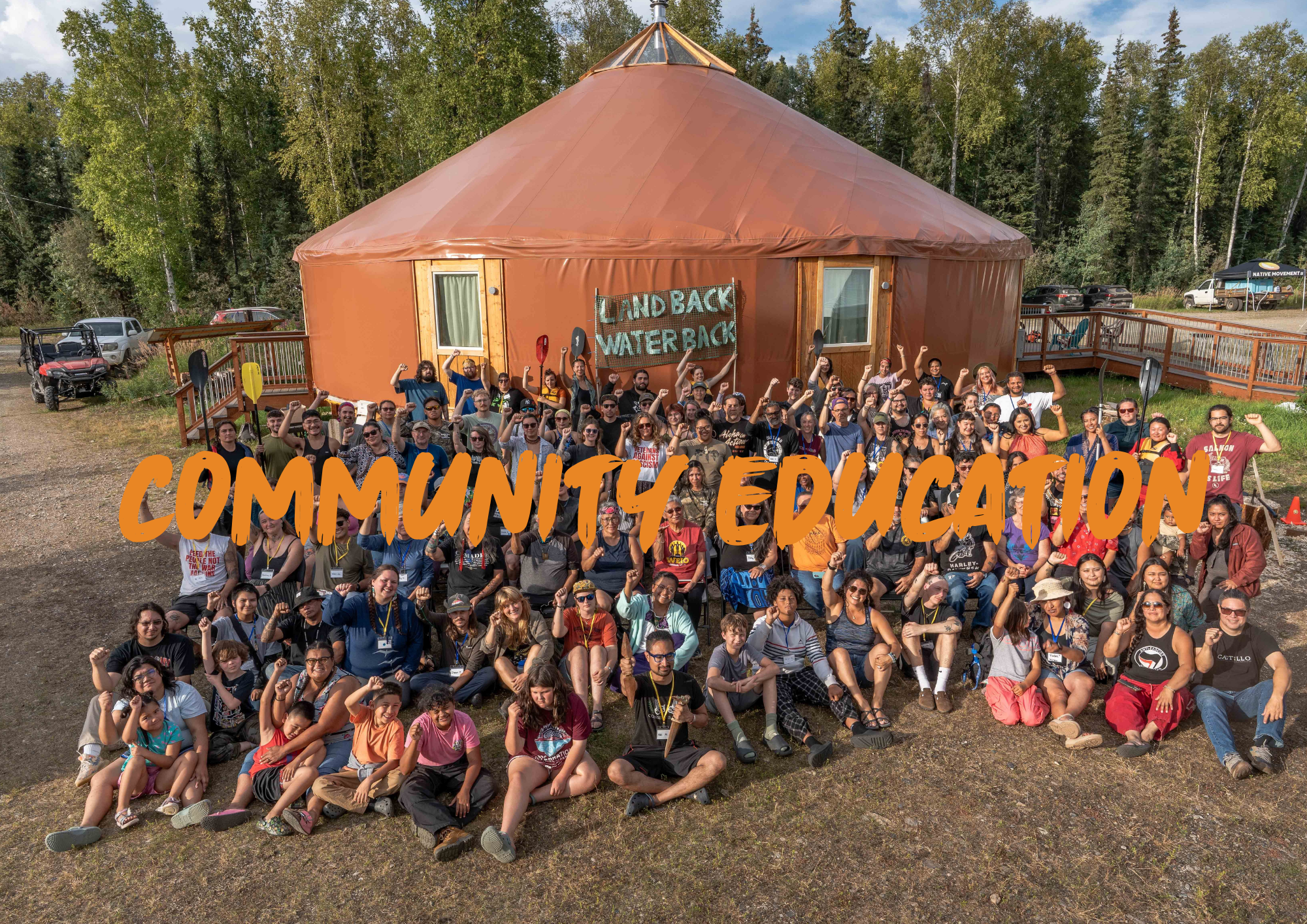
Native Movement believes that in order to achieve liberation, our collective education is critical. Community Education at Native Movement centers an Indigenous worldview as we co-create a path forward for achieving lasting change.
Our approach to learning is based on the foundations of popular education. The works of esteemed thinkers like Paulo Friere and bell hooks imagined educational experiences beyond colonial education systems, which have informed our principles:
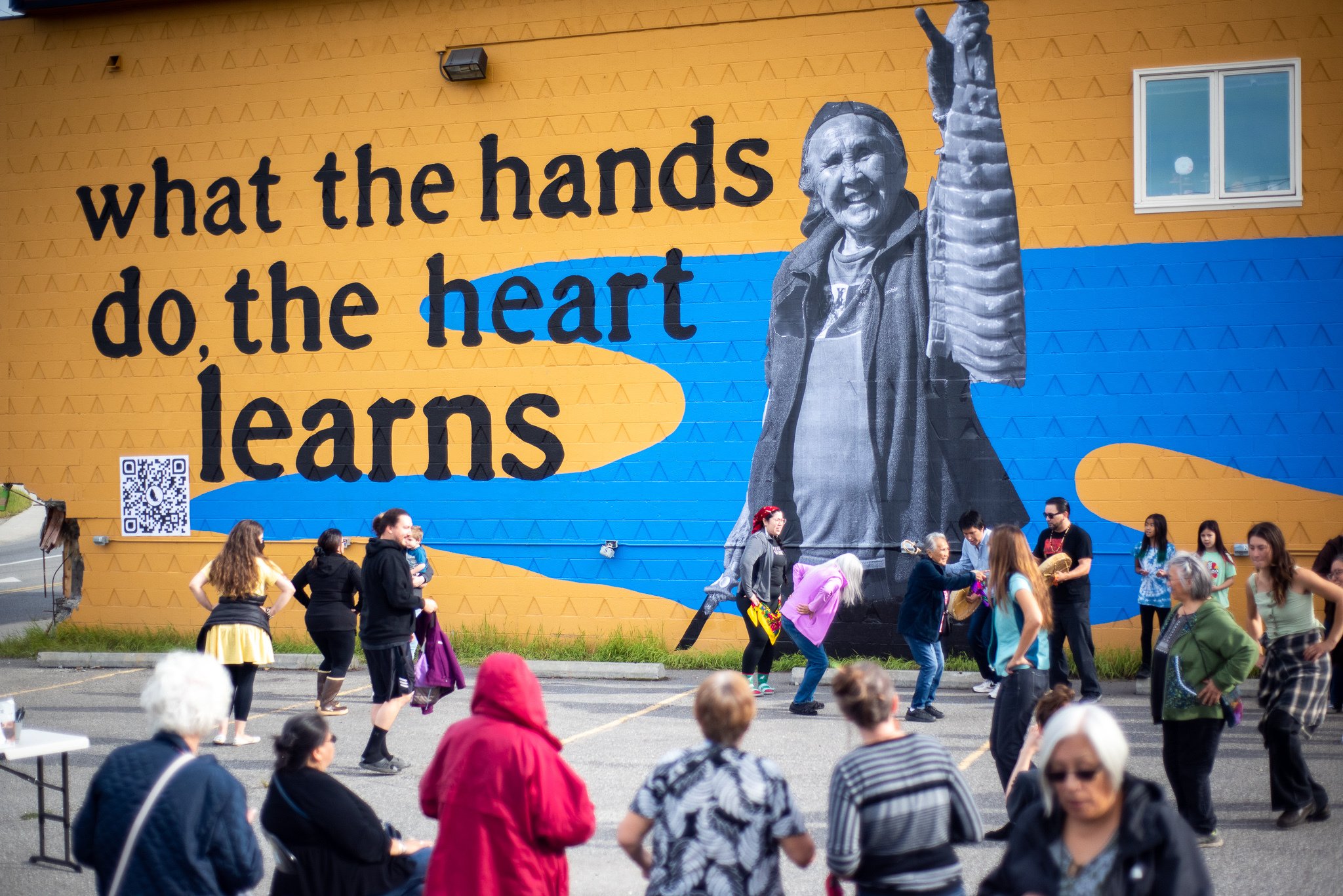
We learn with our heads, hearts, and bodies. Our bodies remember knowledge when learning is holistic.
We are all experts. Our spaces de-center hierarchy of learning in order to co-create collective knowledge.
There are many ways of learning.
Accessibility is a key consideration. Our accommodations are informed by the lived experience of the people in the room.
Education is a practice of freedom. Deep understanding of root-causes of systems of oppression & injustice are essential to building our liberation strategies and to take action.
Our facilitator commitments include:
We have made and will make mistakes. We commit to continuing to learn and share -- Public learning.
We do not have time to perpetuate white supremacy, anti-blackness or colonial worldviews.
A facilitator's responsibility is to cultivate spaces that connect the knowledge, expertise, and experience of everyone in the room.
In order to foster learning, the Community Education program focuses on skill-building, political education, and discussion.
Requesting Support & Trainings
Native Movement carries out public trainings throughout the year in communities where we have offices (Fairbanks, Anchorage and Juneau), and organizes trainings by request in other communities. According to our organizing principles, we will only carry out trainings in communities outside of where we are based, if local community members invite us. We are committed to supporting community-organizing throughout Alaska and welcome your request for Native Movement support, workshops, and/or organizing trainings. We can not guarantee we will be able to accommodate all requests.Please reach out to our Facilitation lead, Liv Castro Arellano.
Below are the types of trainings you can request.
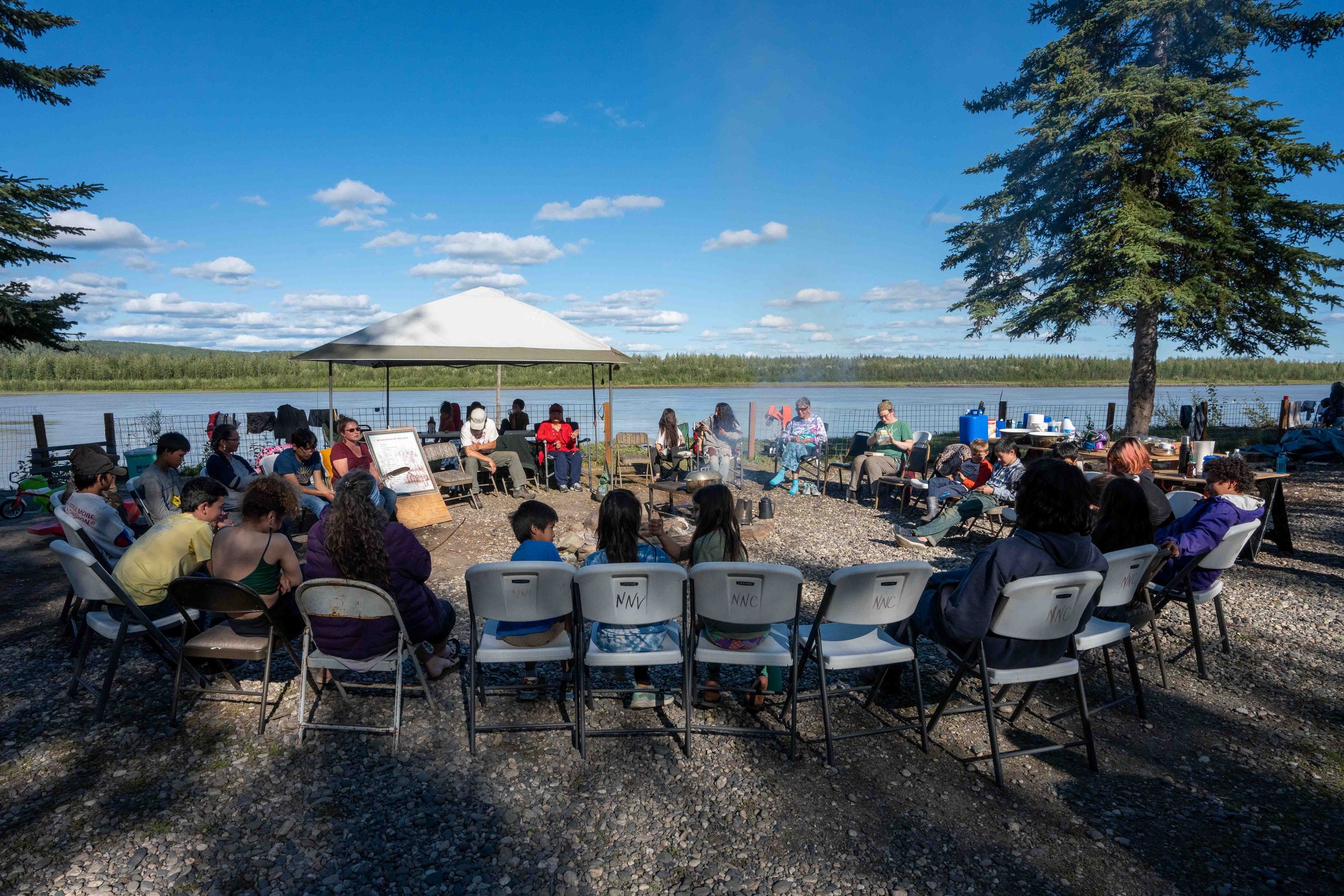
Untangling Colonialism
This training explores the orientation of the United States toward Alaska Native and Native American peoples. Participants will learn about “manifest destiny,” boarding schools, the movements that laid the groundwork for ANCSA and ANILCA, and how these policies impact tribal sovereignty in Alaska today. The Decolonizing modules uplift Indigenous worldviews of genders and nature so we can heal from colonial impositions of binary gender constructs and conservation. We will identify common decolonizing practices, including land acknowledgements and truth and reconciliation programs, and assess their impact.
Modules include: Federal Indian Policy, ANCSA/ANILCA, History of Conservation, Decolonizing Gender, Dismantling White Supremacy
Type of learning: Political education, Conversation
Building People Power
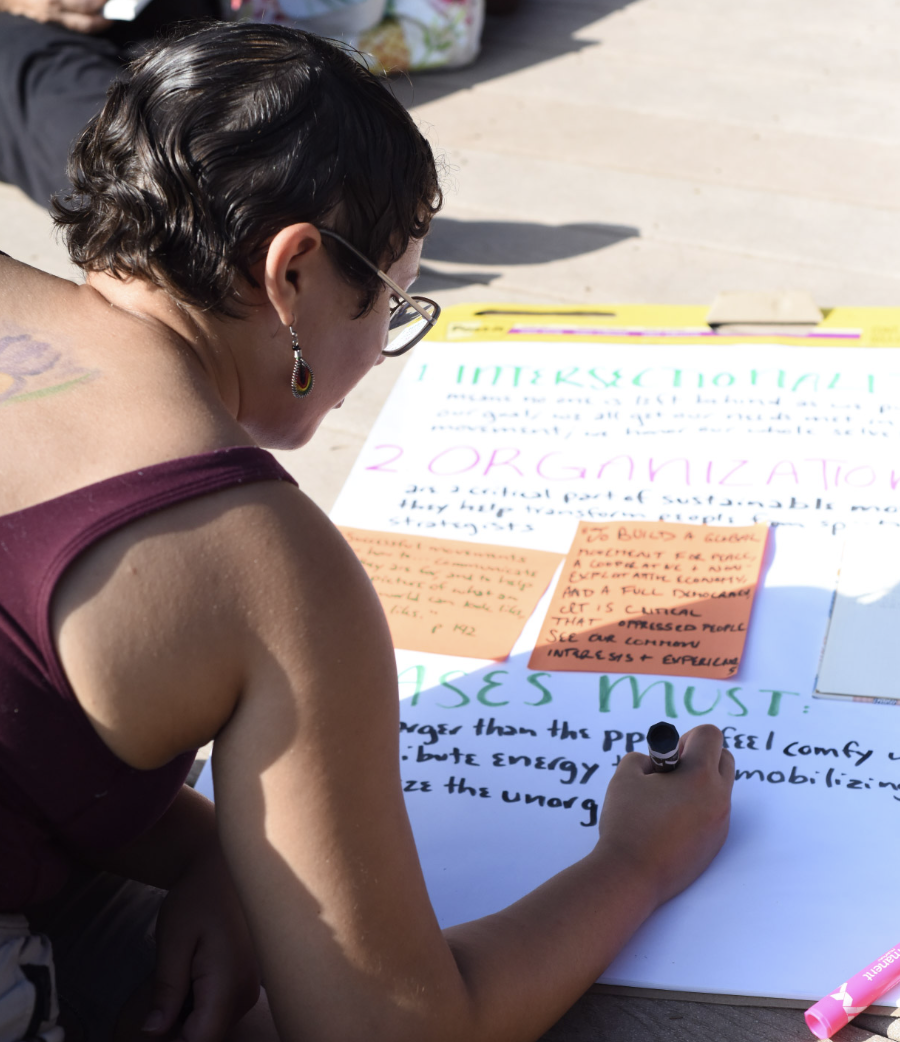
This training goes through the basics of community organizing and how to build collective strategies that analyze community problems to find tangible solutions. It includes how to organize and implement various types of tactics, how to de-escalate situations, how to build strategic escalation plans, and many other important things to think about when utilizing direct action tactics.
Modules include: Campaigns, Movement History in Alaska, Direct Action Planning
Type of learning: Skill-building, Conversation
Facilitation
This learning space will give participants a foundation to their knowledge about facilitation, the role of a facilitator, and begin developing tools for their facilitator toolbox. Participants will engage in discussion, brainstorms,and learn concrete tools that they can use in facilitating various spaces. Primarily, participants will focus on developing skills around active listening, synthesizing, and asking questions as well as developing prevention and intervention skills for navigating tricky scenarios.
Modules include: Foundations of Facilitation, Applied Skills in Facilitation, Designing a Learning Space
Type of learning: Skill-building
Past Projects
We also lead large training-based projects. Check out below to learn more!
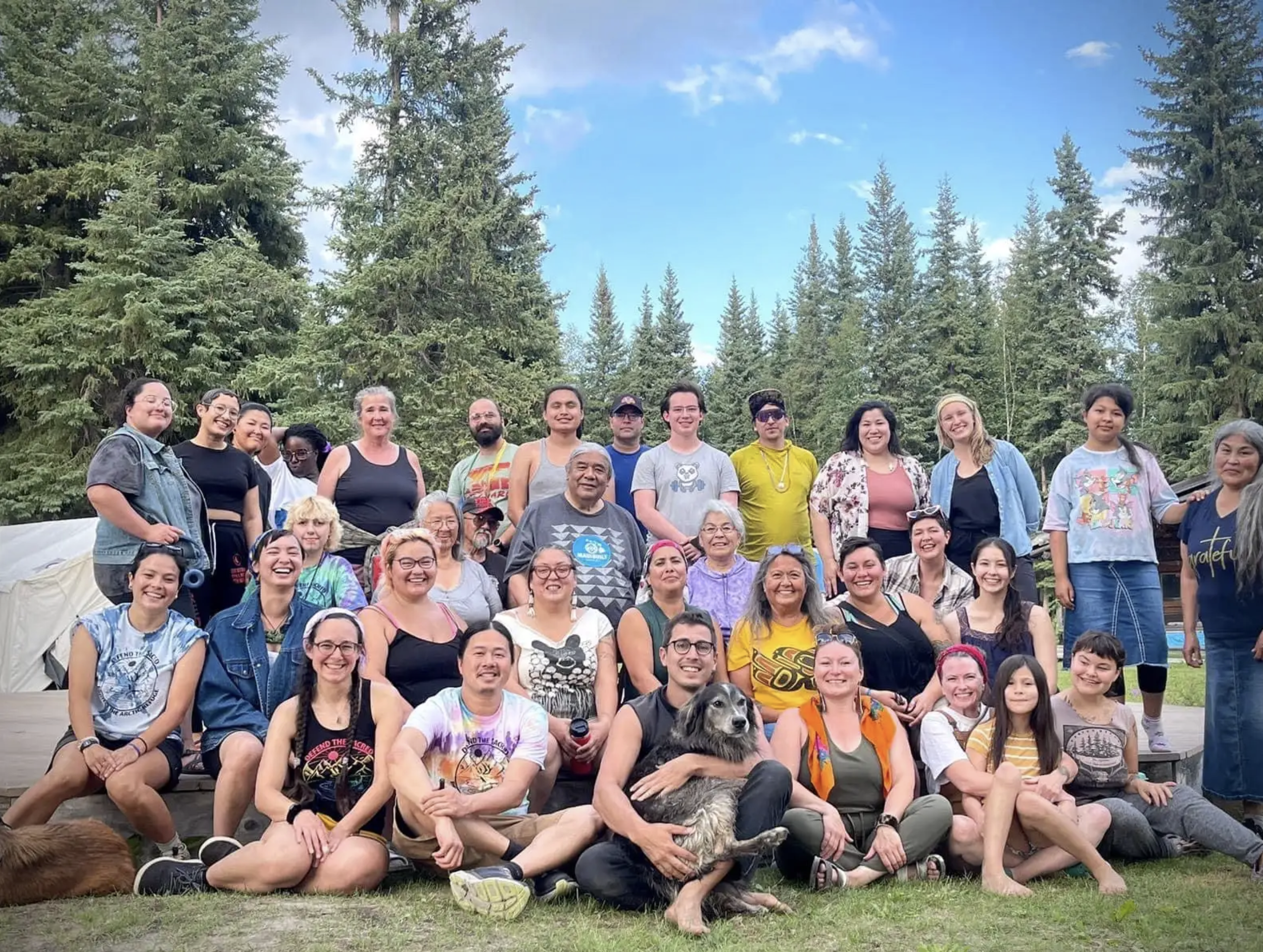
Northern Organizer Camp: an annual camp that brings together Alaskan community organizers and friends from a spectrum of advocacy issues together to share knowledge, rejuvenate, and build stronger relationships.
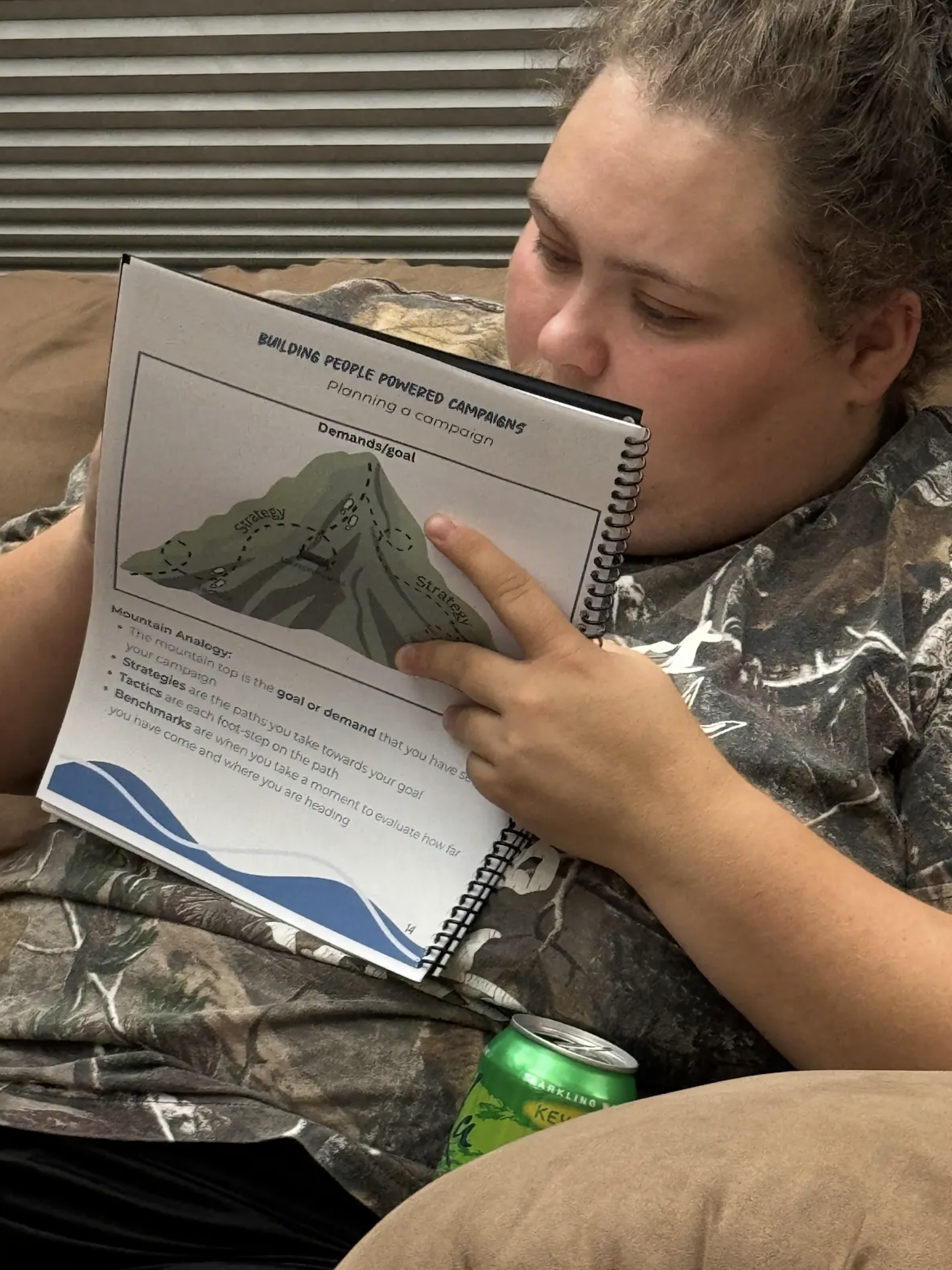
Training for Trainers: T4T provides dedicated facilitation training for community members who want to level up in the NM ecosystem.
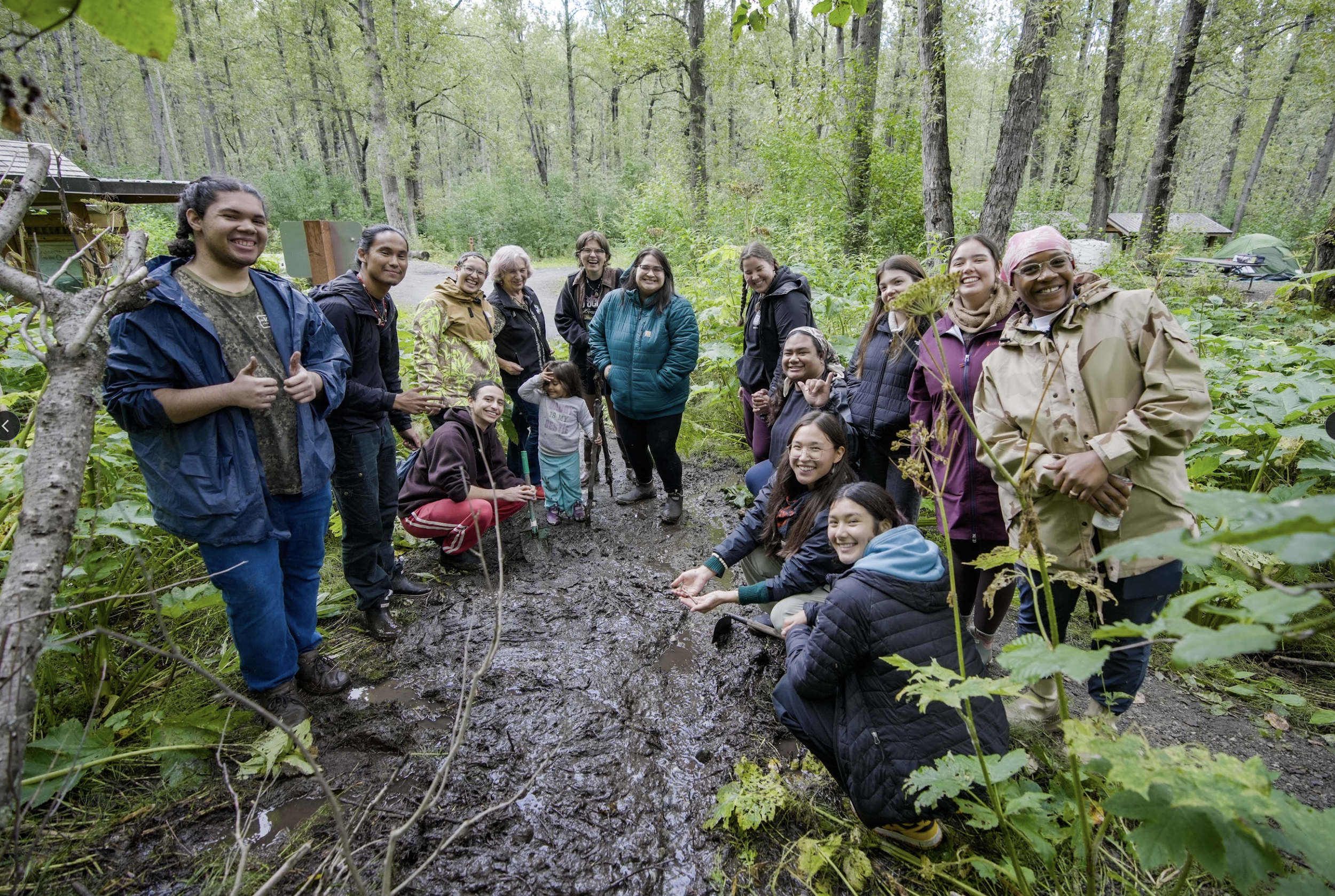
Youth Cohort: Two overnight camps before and after ten monthly skill-building webinars teach Indigenous community organizing and movement leadership skills to youth aged 18-26.
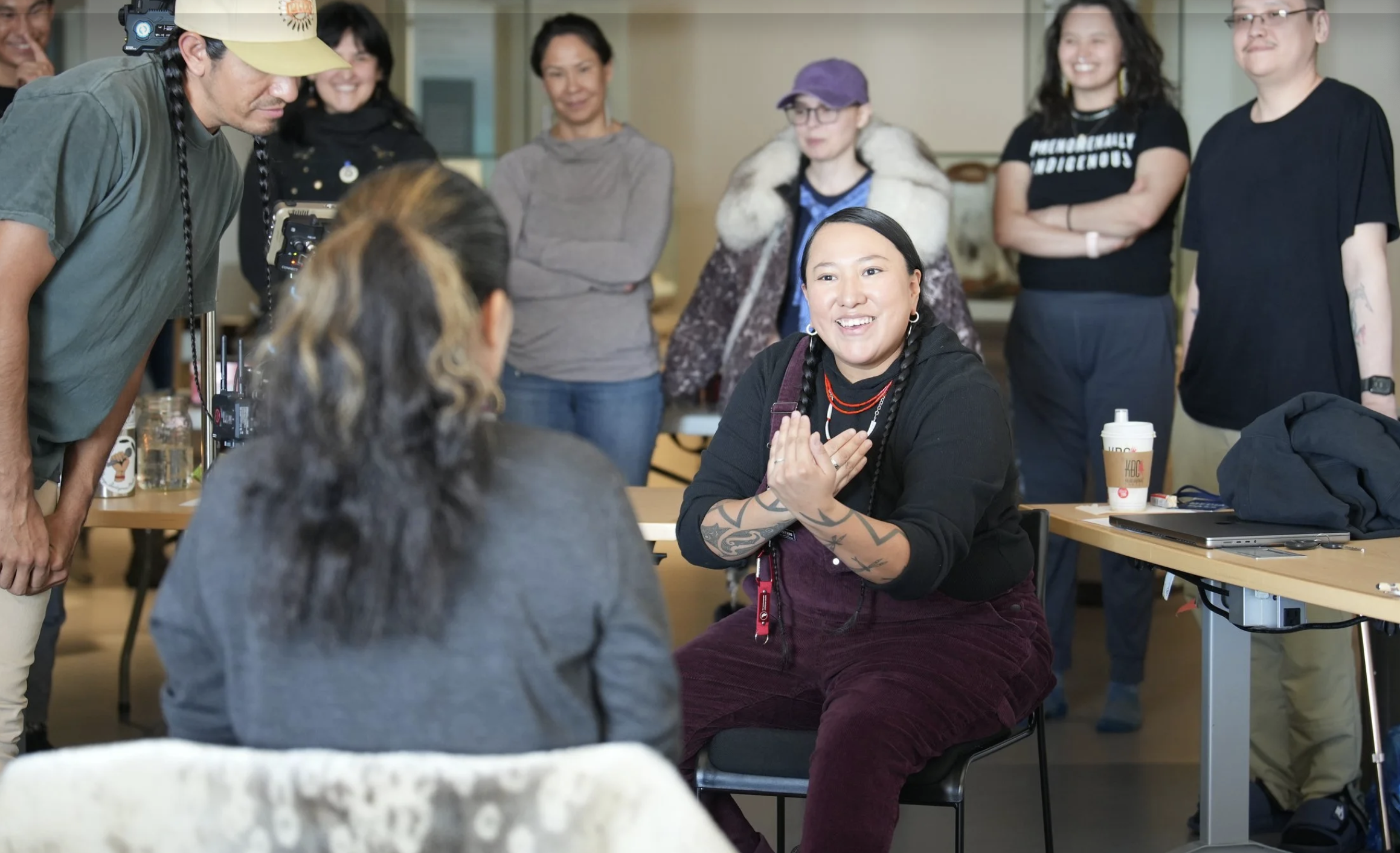
Filmmakers Intensive: Participants learn about filmmaking and narrative justice from Indigenous film professionals, fostering mentorship within the industry.
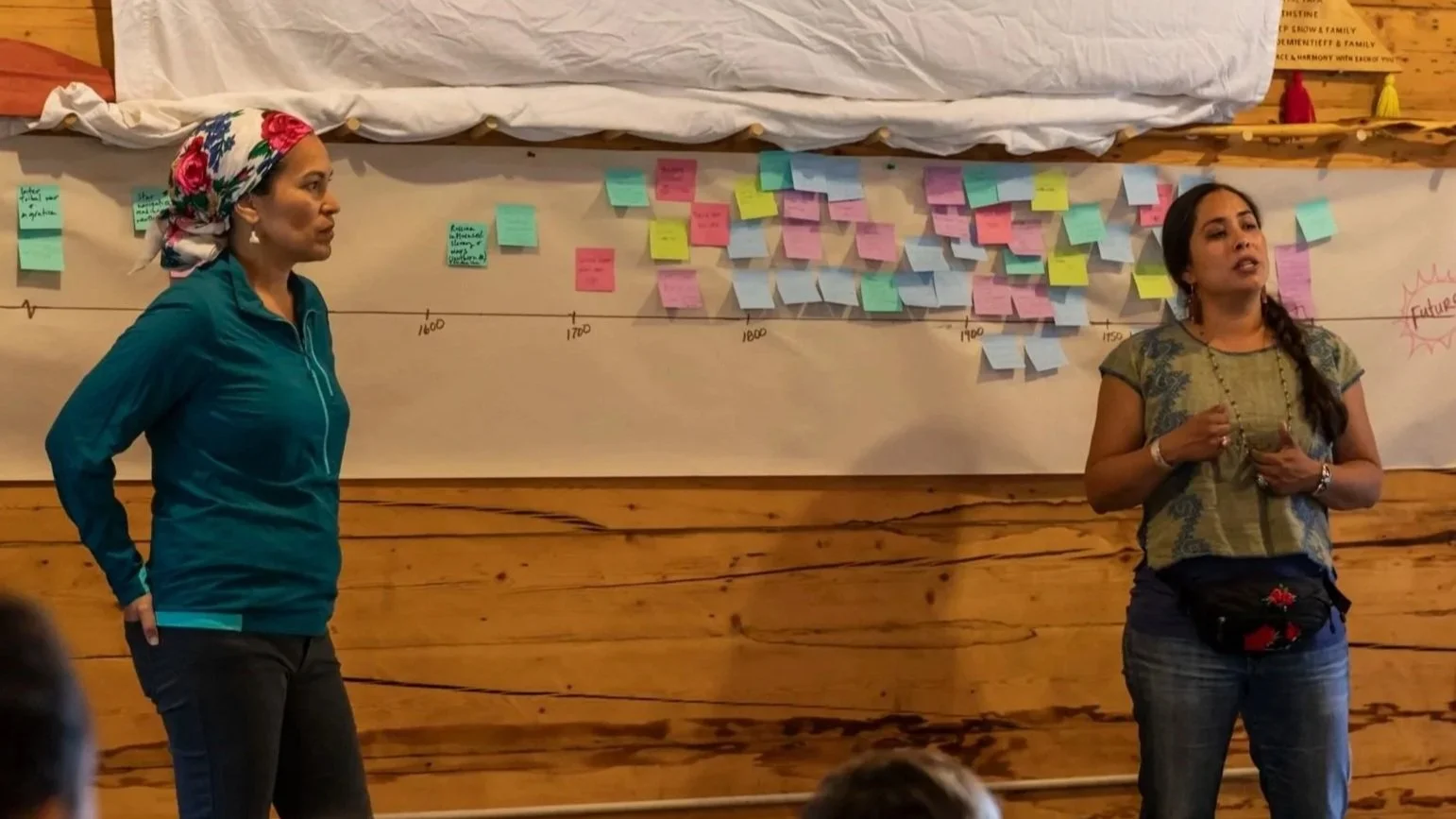
Training Reviews
“As a nonprofit environmental law firm in Alaska, we work with many coalitions and represent diverse interests. Native Movement is a valued partner and the decolonization trainings they provide are essential. Our Board and staff have done at least one of the trainings and it is so helpful for unlearning dominant culture norms and becoming/being aware of unconscious bias. Learning and unlearning with Native Movement is always effective, but especially in our current political culture.”
-Vicki Clark, Executive Director, Trustees for Alaska
"The decolonization training helped our group of Indigenous and non-Indigenous researchers and community leaders get centered in the history of colonial relations and decolonial efforts in Alaska. It also helped us experience in a personal way what the impact of colonial processes was on tribes. Several members of our group incorporated aspects of the training into their work with Indigenous youth. I would recommend this training to anyone who is interested in partnering with Indigenous communities and organizations so that they can have a shared understanding of history and its affects on current day relationships." - Noor Johnson, Research Scientist, National Snow and Ice Data Center, University of Colorado Boulder
“Native Movement's decolonization workshop had a profound impact on the way I understand the shape of white supremacy and the conservation movement. It offered a powerful way forward toward building up communities and supporting each other on our path of healing and justice. Everyone needs to go…twice!” — Veri di Suvero, Anchorage community organizer